

preliminary Design
Our design team specialises in creating and optimising designs for manufacture, using advanced software and hardware tools to predict and analyse steel melting, casting and forging processes, reducing risks and costs whilst converting heavily stressed, safety-critical fabricated components into optimal cast or forged steel solutions.
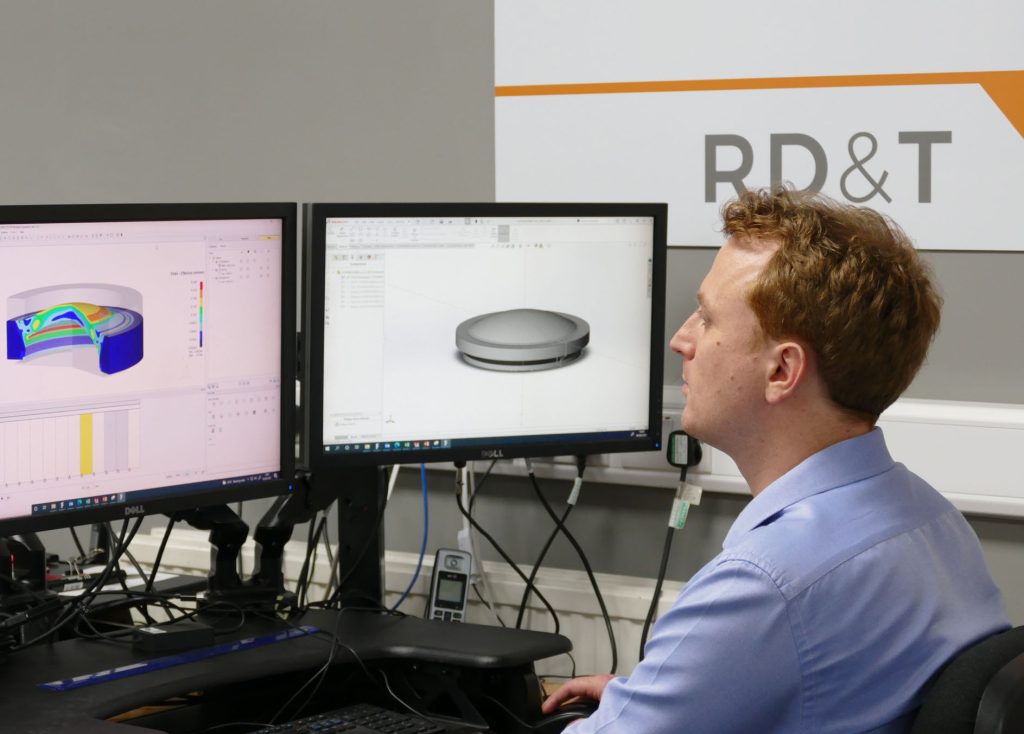
Reduce risk and manufacturing costs
We use advanced simulation to predict how components will behave during melting, casting and forging. This helps reduce material stress, avoid failure, and convert complex fabrications into more efficient cast or forged forms cutting both risk and cost before manufacturing begins.
Years of Steelmaking heritage
Onsite R&D Driving Safer, Smarter Components
Fully Integrated Simulation from Melt to Machining
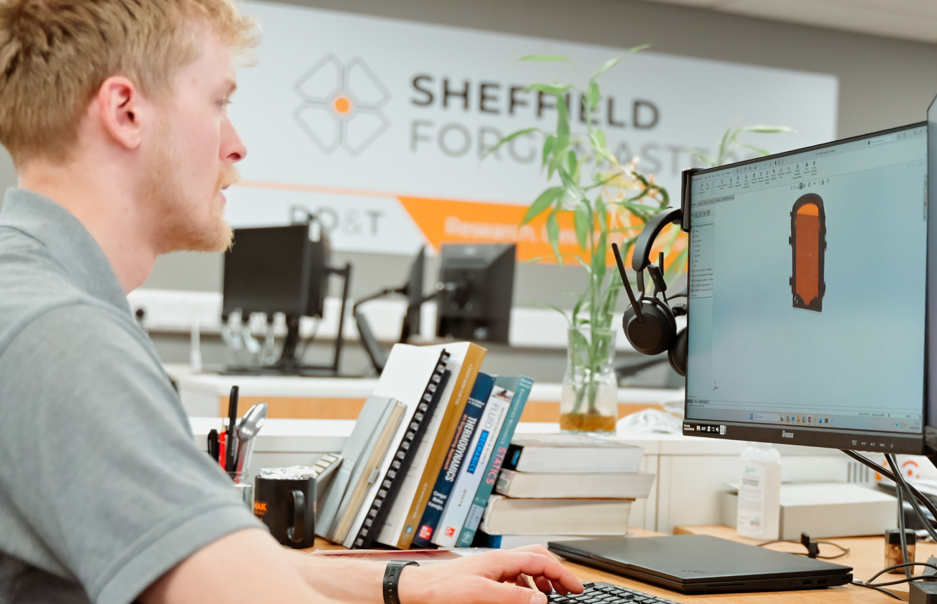
3D Modelling
Using sophisticated CAD software, we create or adapt bespoke 3D designs whilst assessing the logistics of manufacturing components, minimising errors and identifying potential issues before they occur. Our ability to produce bespoke designs allows us to meet niche requirements and predict potential complications in manufacturing processes. Quality is at the heart of everything we do, and CAD plays a crucial role in delivering that excellence.
Engineering Excellence Through Innovation
Sheffield Forgemasters combines over 200 years of steel making and manufacturing expertise with state-of-the-art tools, techniques and capabilities to deliver safety-critical components you can trust. Our preliminary design and simulation services provide confidence in component integrity whilst identifying cost-saving opportunities across fabrication, assembly and transport. We deliver solutions that are both safer and more cost-effective for our customers.
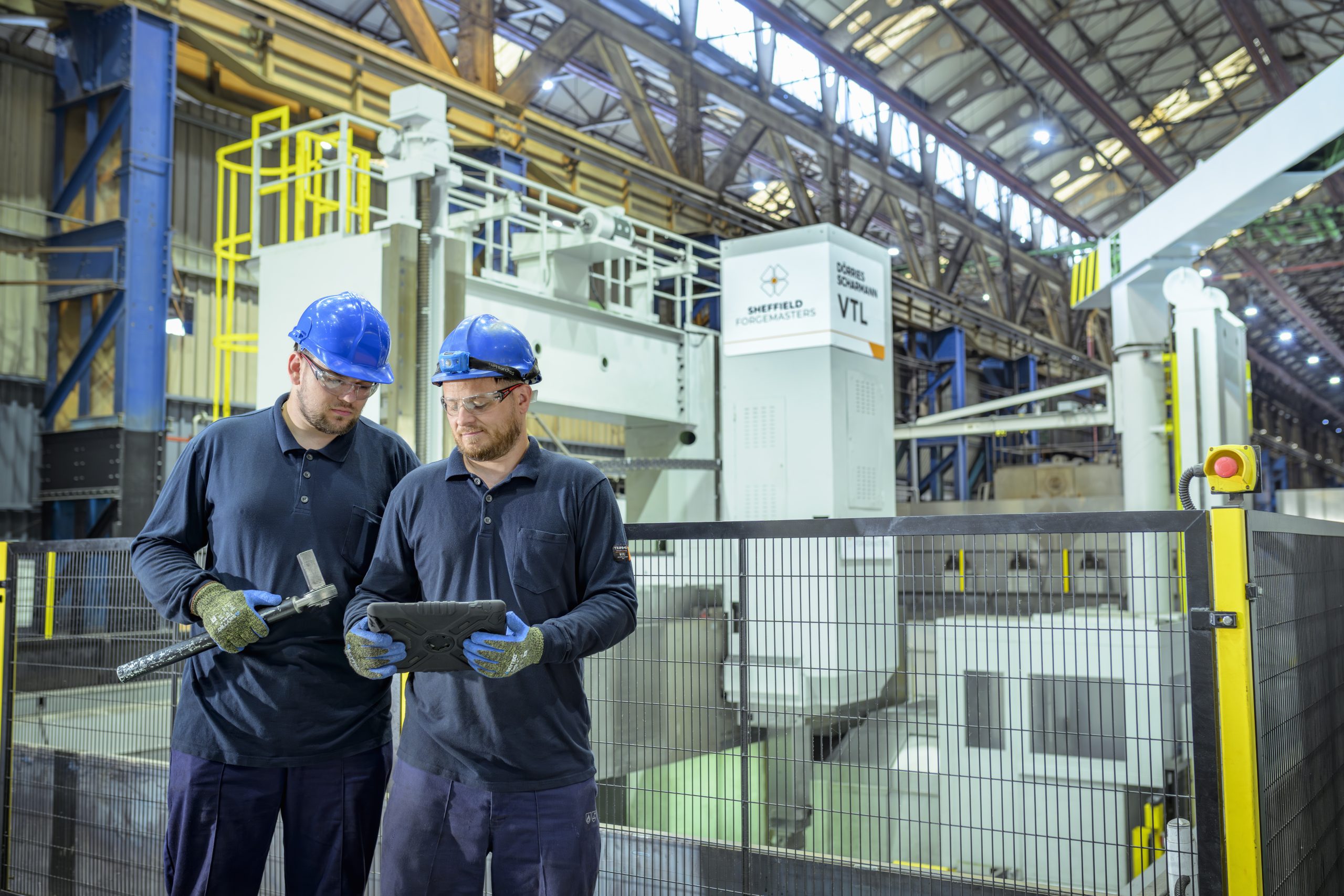
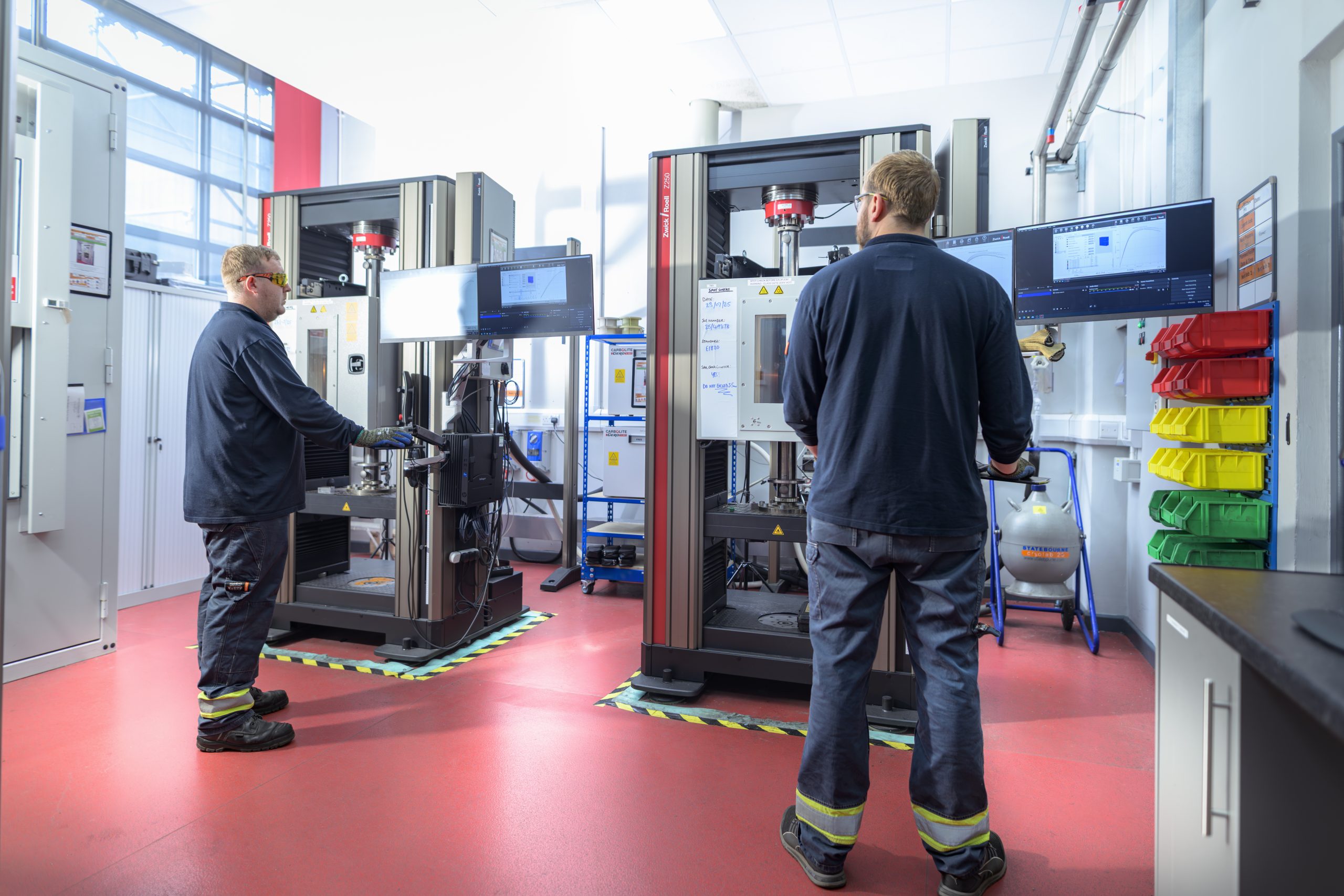
Thermal Process Optimisation
Sheffield Forgemasters utilises advanced fluid dynamics software to analyse how air and water flow around components during critical heating, cooling and quenching operations. This capability, combined with our liquid metal flow simulation using casting software, ensures uniformity throughout thermal processes. These sophisticated tools enable us to optimise every stage of component treatment for consistent, high-quality results.
Discover Our Full Capabilities
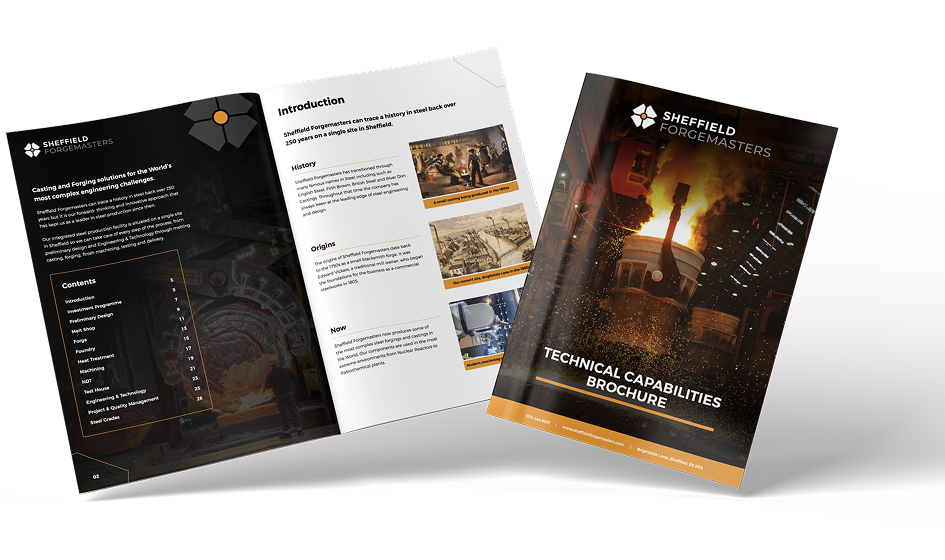
Need detailed specifications? View and download our latest brochures, certification documents, and technical guides to see how we deliver the world’s most critical components.
FAQs
What does the preliminary design service include?
Our preliminary design service supports customers at the earliest stage of a project, helping turn an initial concept into a manufacturable, optimised design. The aim is to ensure the component can be safely produced, meets performance requirements, and aligns with applicable industry standards before committing to full manufacture.
How can preliminary design reduce costs and risks?
By identifying technical challenges early, the preliminary design process helps avoid costly design changes later in the project. Simulation and analysis allow potential issues, such as excessive stresses, distortion, or manufacturing constraints, to be addressed before production begins. This reduces material waste, minimises rework, shortens lead times, and lowers overall project risk, which is especially important for large, safety-critical components.
Can the team suggest modifications to existing designs?
Yes. We regularly work with customer-supplied designs and can review, validate, and optimise them. The team can recommend design modifications to improve manufacturability, structural integrity, performance, or cost efficiency while maintaining the original functional requirements.
What tools and techniques are used in the preliminary design process?
The preliminary design process uses advanced engineering tools such as 3D CAD modelling, finite element analysis (FEA), computational fluid dynamics (CFD), and process simulations for forging, casting, and heat treatment. These tools allow our engineers to predict material behaviour, stresses, temperatures, and distortion accurately, providing confidence that the proposed design will perform as intended throughout manufacture and service life.