In the 1700s, Naylor & Sanderson was an established cutlery manufacturer and steel merchant in Sheffield. In 1776, one of the company’s partners, George Naylor, established a Crucible Steel Furnace in Attercliffe marking a shift towards steel production.
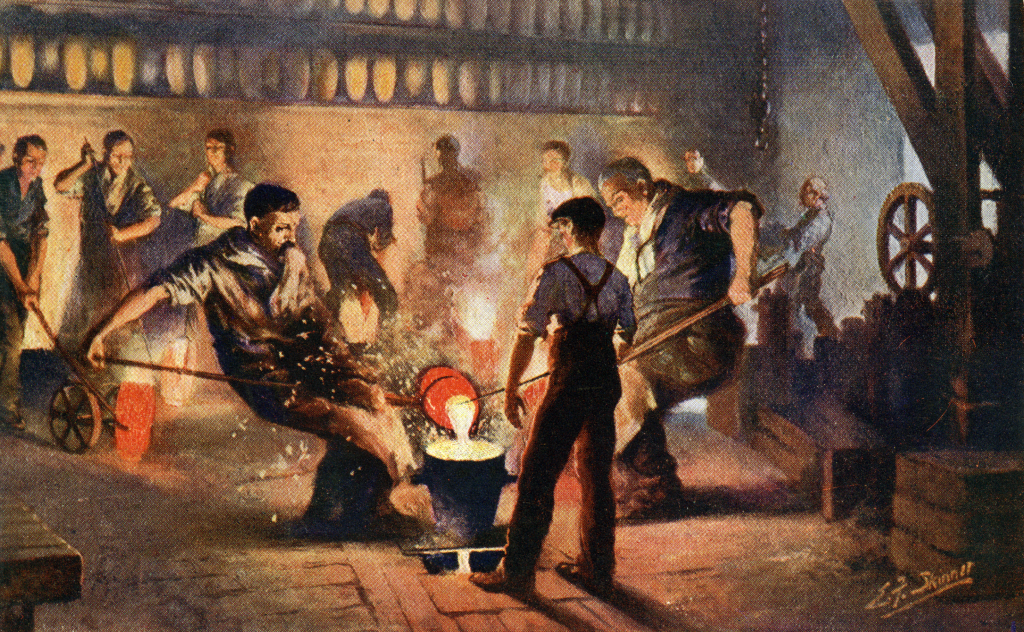
In 1829, a monumental moment for Sheffield Forgemasters’ foundations was laid when George Naylor, a senior partner at Naylor Sanderson retired and his son, George Portus Naylor, also left the steelmaking interests of Naylor Sanderson to start the new firm of Naylor, Hutchinson, Vickers and Co with Edward Vickers and John Hutchinson.
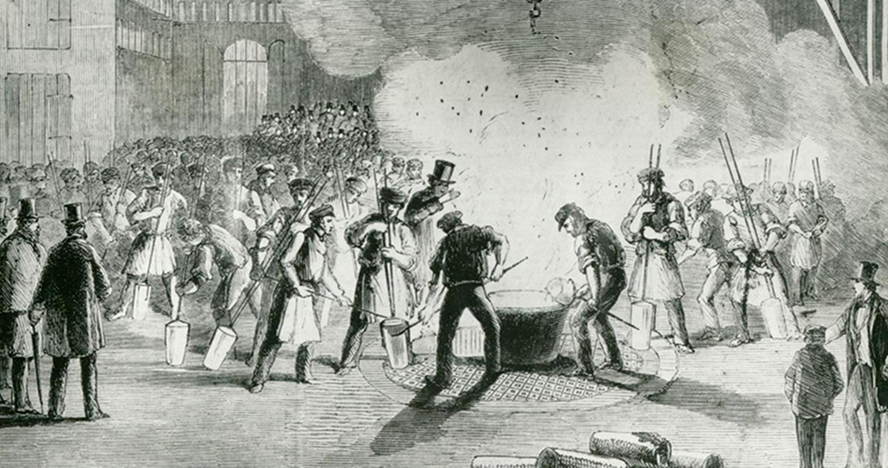
A fire alarm bell weighing 2.5 tonne destined for San Francisco being cast in the Vickers' Millsands Works Sheffield.
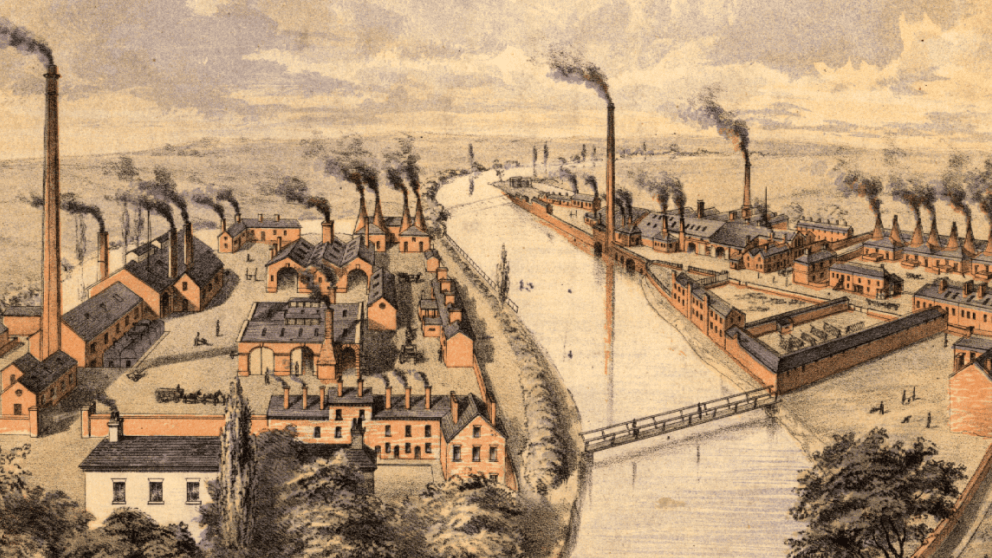
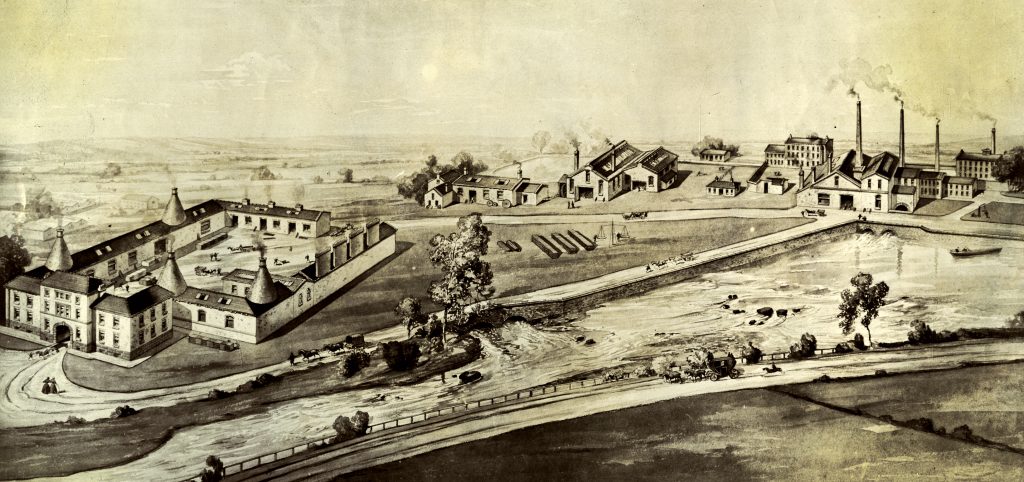
By 1863, Naylor, Hutchinson, Vickers and Co, had changed to Naylor, Vickers and Co and had moved to new premises in Brightside, on the banks of the River Don. This was to become the famous River Don Works, where Sheffield Forgemasters still resides.
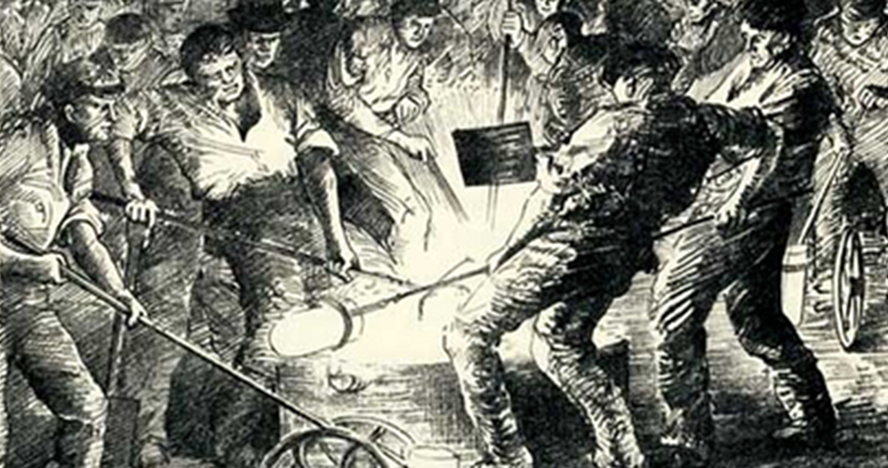
A large casting being poured from several crucible melts. In the 1860's
Tom Vickers designed the giant crucible melt shop. Capable of producing large amounts of quality steel.
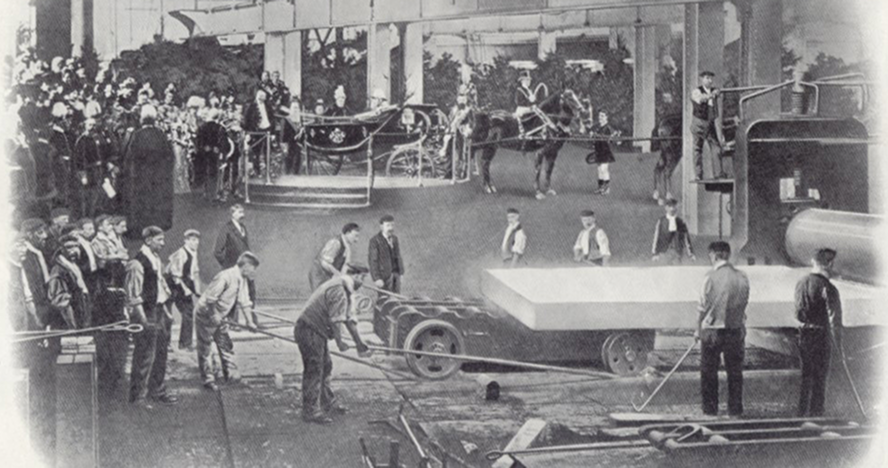
Armour plate being rolled as Queen Victoria visited the Cyclops Works, Saville Street, Sheffield.
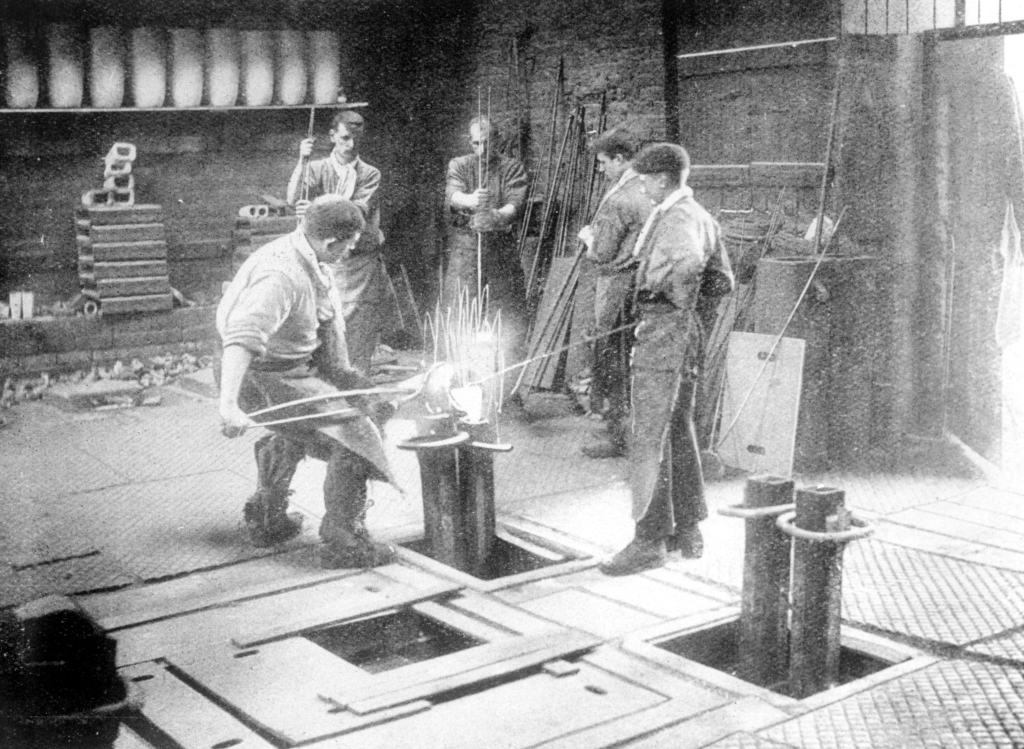
The UK Navy’s first submarine, HMS Holland 1 was launched in 1901, with steel from this very site used onboard, something that has continued every submarine since.
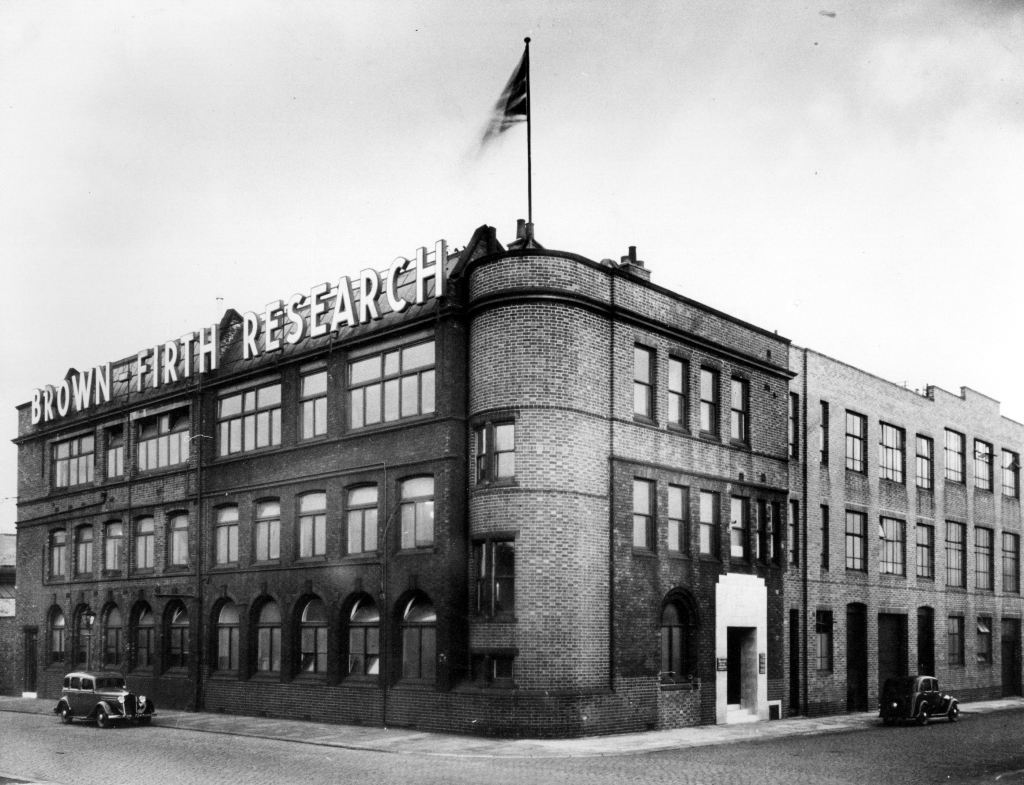
In 1912, Harry joined the Brown-Firth Laboratories to lead a steel research project. One of his experiments included the addition of chromium to steel, which rendered the material impervious to rust when exposed to acids and water, leading to the discovery of Stainless Steel..
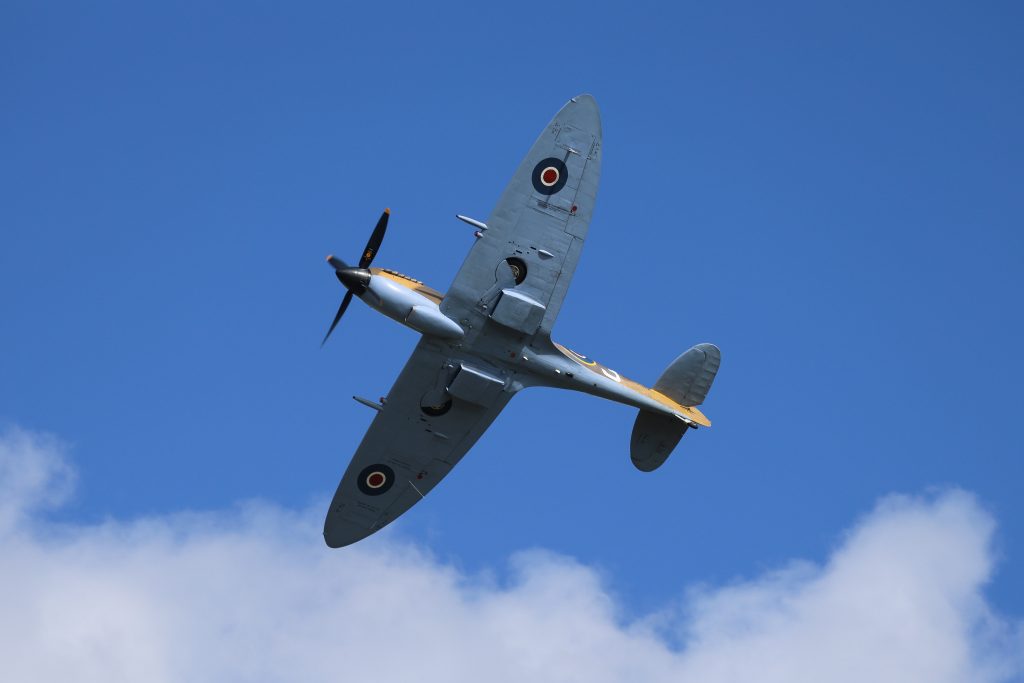
Supermarine Aviation Works (Vickers) Ltd started full scale production of the Spitfire aircraft, with the crankshafts for the famous Rolls-Royce Merlin engines manufactured at River Don Works.
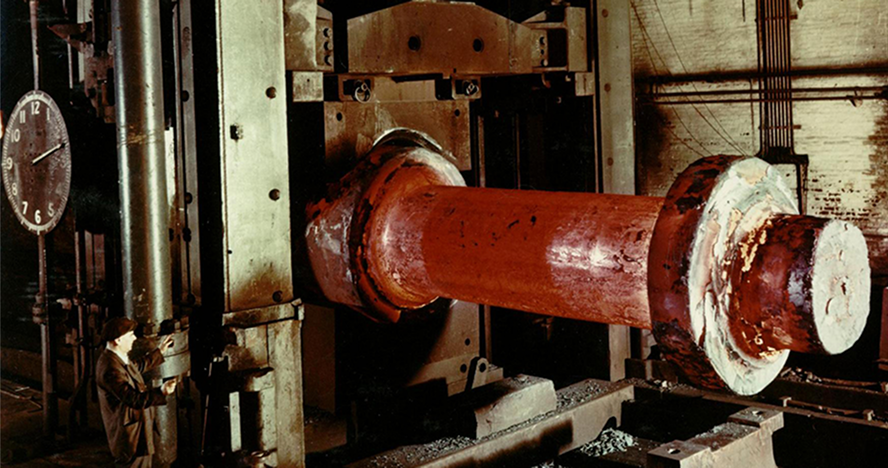
Forging a large hollow shaft in the company's 2,500 tonne press.
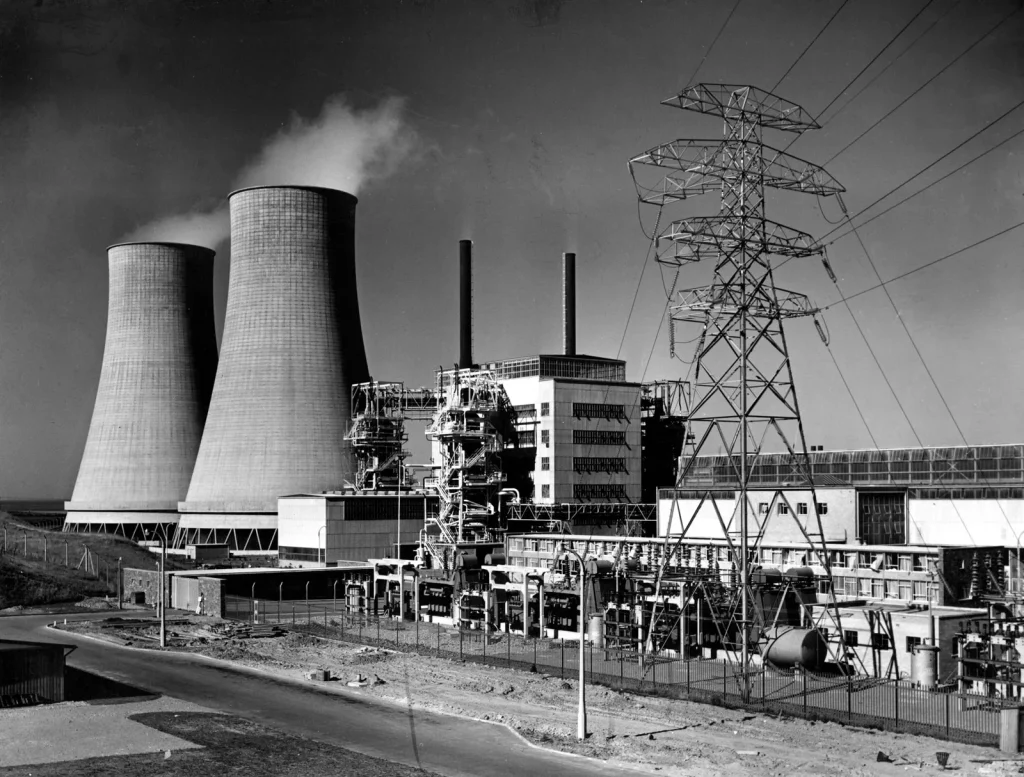
Now English Steel Corporation, the business supplied critical components into the World’s first commercially scaled nuclear power plant at Calder Hall in Cumbria.
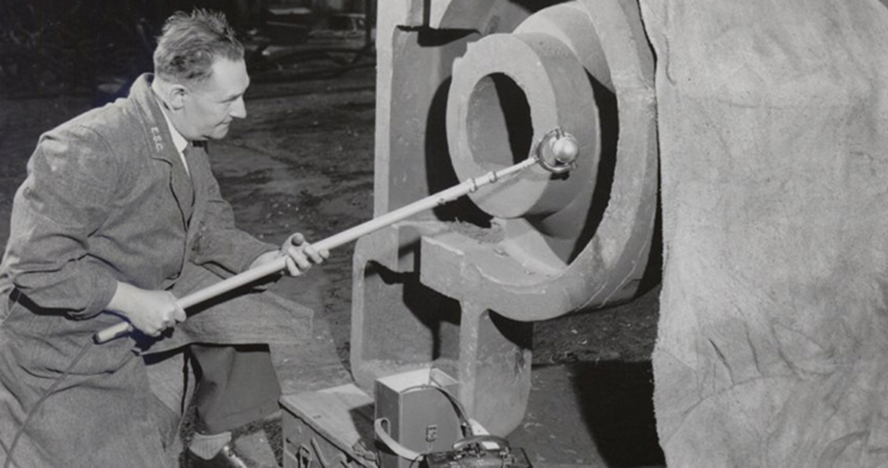
Steel non-destructive testing methods of the 1960's.
The birth of Sheffield Forgemasters came about through the merger of Johnson and Firth Brown Ltd and British Steel’s River Don Works – which is the site from which Sheffield Forgemasters operates today.
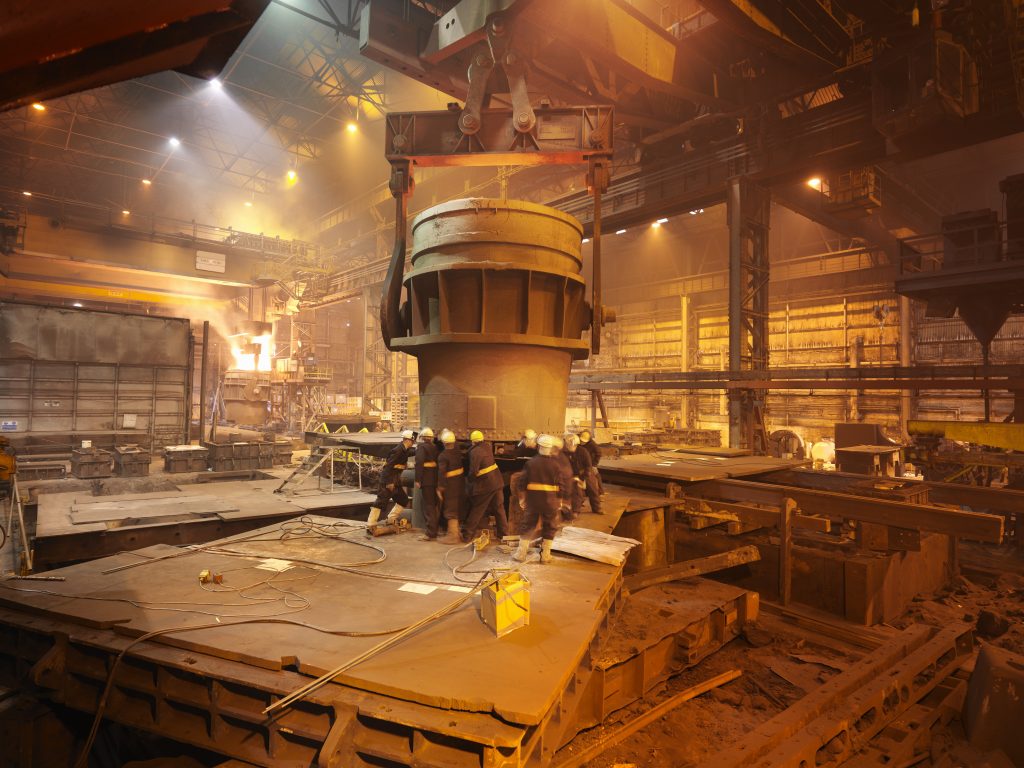
Sheffield Forgemasters manufactures the world’s largest single steel casting, weighing 325 tonnes, for the Austrian Böhler Press.
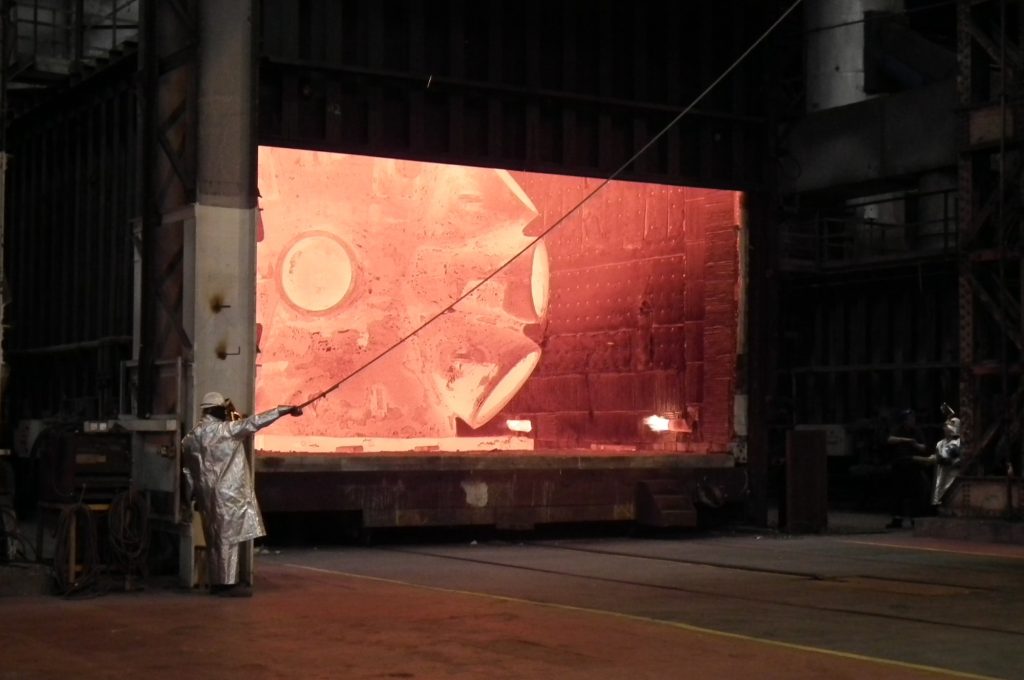
Sheffield Forgemasters wins contract to design and supply 12 cast nodes, the largest of which weighed 117 tonnes, for the Aasta Hansteen Spar platform in the North Sea, which was the largest diameter Spar ever built.
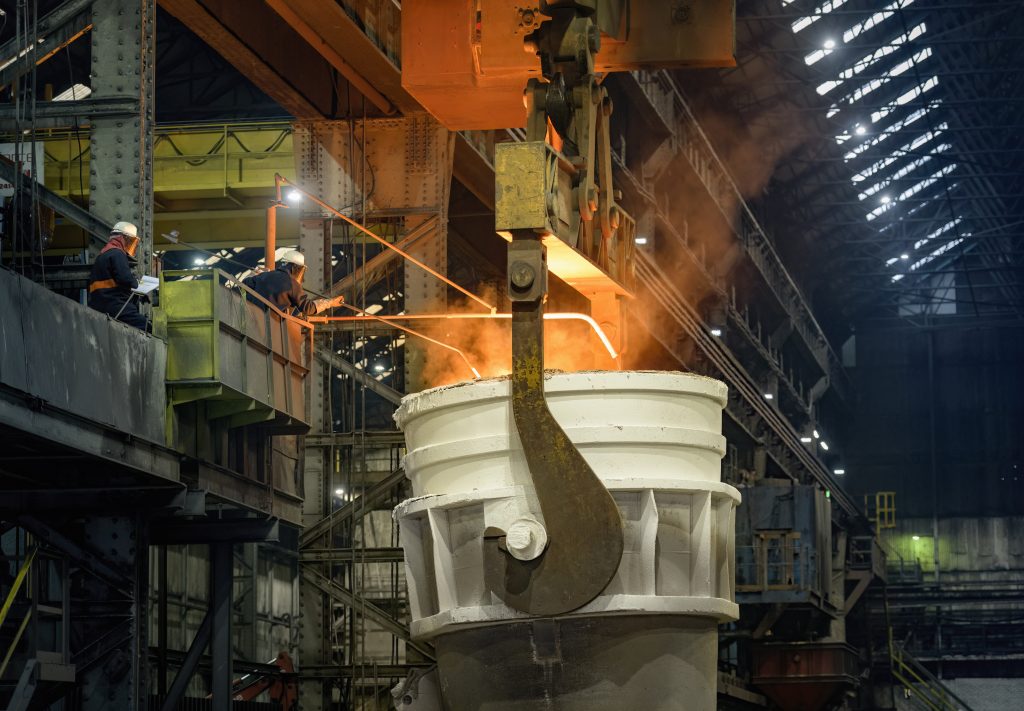
Sheffield Forgemasters produce the World's largest casting which finished at 350 tonnes but initially required over 600 tonnes of liquid steel.
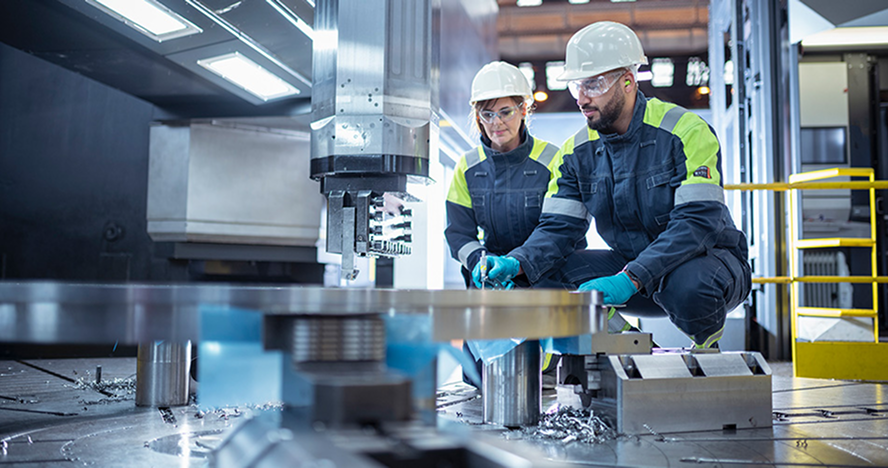
Sheffield Forgemasters officially open the BOST Vertical Turning Lathe (VTL) which significantly enhanced the company's maching capabilities.
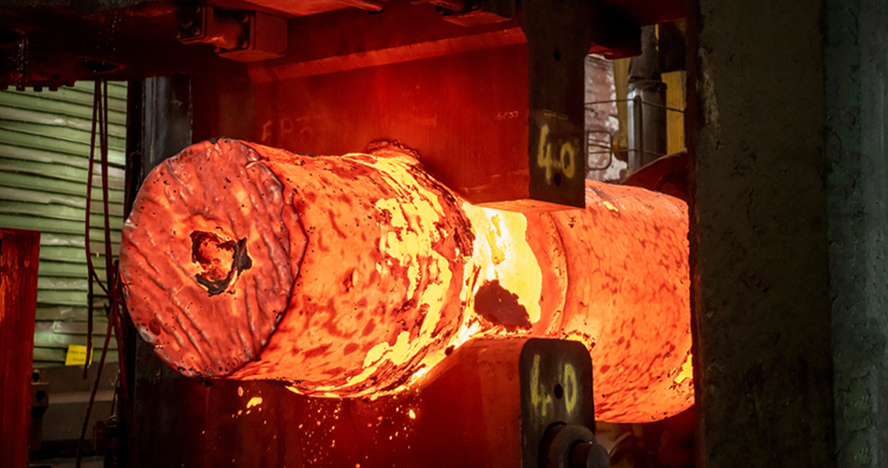
Sheffield Forgemasters is acquired by the UK Ministry of Defence ahead of a substantial recapitalisation programme.
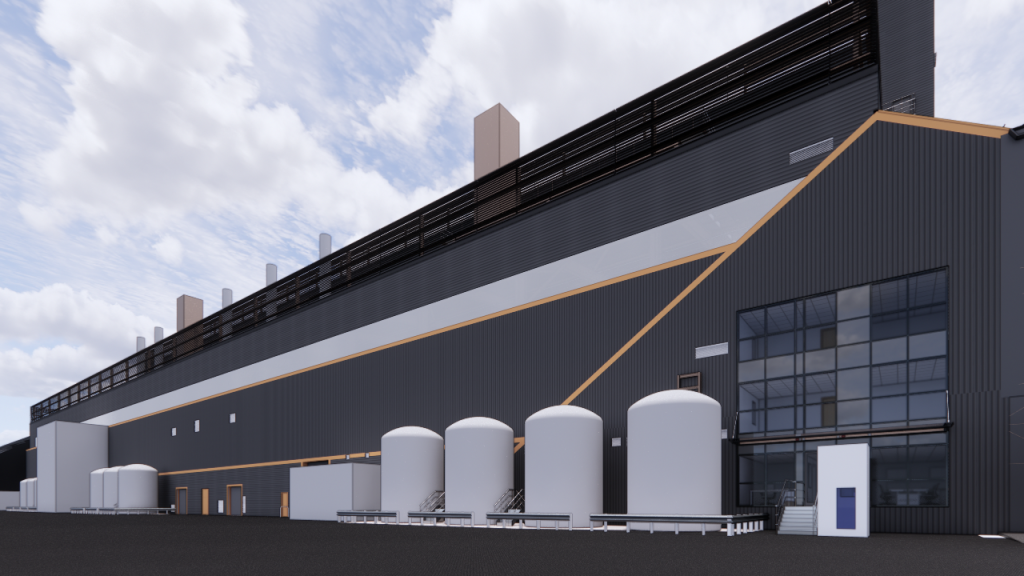
A major recapitalisation of the company’s plant and equipment starts taking shape at River Don Works with a review of the entire site. In November, planning permission is secured to build a new 13,000-tonne forging line at Brightside Lane.
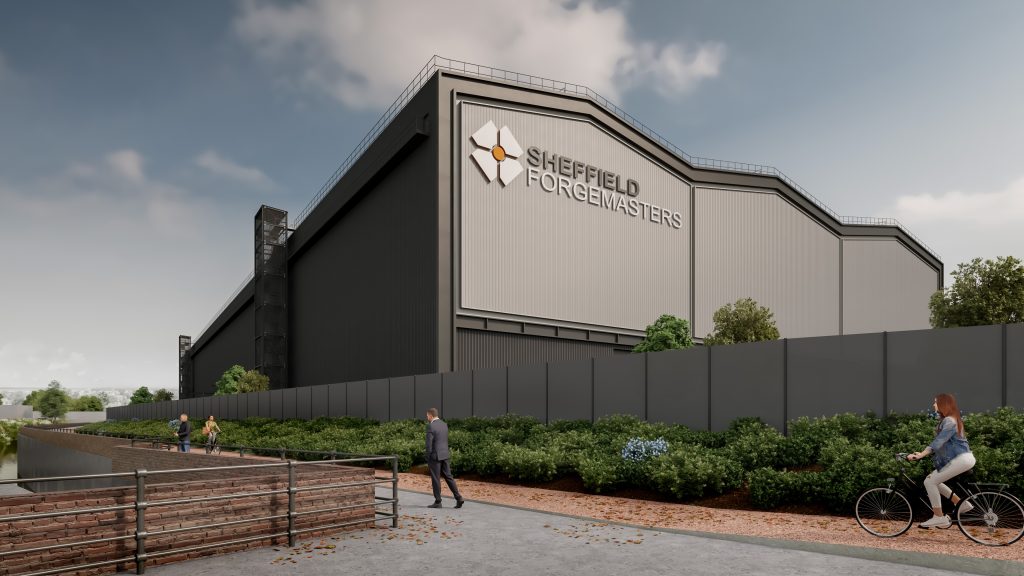
As the company celebrates its 250th year, steelwork has started to be assembled on new machining hall, due to house 24 state-of-the-art machines, including some of the world’s largest and most advanced Vertical Turning Lathes.